
Why Early Setbacks Make Founders Quit — And How Peer Masterminds Keep You in the Game
- Charles Mathison
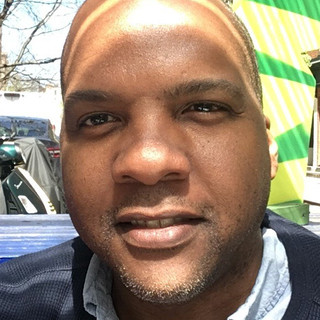
- Aug 10, 2025
- 2 min read

A lot of entrepreneurs quit too soon. They hit a roadblock, lose momentum, and walk away before their idea has the chance to mature into something great.
I almost became one of them.
Two weeks before I thought about quitting my publishing business, I attended a Founders Table Mastermind. I liked my business, but if I’m honest, I wasn’t emotionally connected to it. It was work I could do, but not work I felt in my bones.
Then I got one piece of advice at the Founders Table that changed everything. It forced me to connect emotionally to what I was doing — and to link that emotion directly to my actual work as a teacher, school administrator, special needs educator, and behavioral health specialist.
Here’s the thing: “behavioral health specialist” isn’t even in my official job description, but it’s what I do most. Day after day, I deal with the complexities of all these roles — in a school environment where survival often takes priority. It’s survival for staff, survival for students. Most days feel like we’re just putting out fires.
That feedback made me ask a question no one had been asking: Why aren’t we creating curriculum and practices that prevent fires in the first place — that plant seeds instead of constantly dealing with crises?
That moment of clarity didn’t just change my publishing business — it inspired me to create the Founders Table itself. Looking back, it was the best business decision I’ve made since I started publishing books.
Why Masterminds Are Different
I’ve been in other groups. I’ve taken business courses and self-improvement programs. But nothing has been like the Founders Table. The continuous feedback loop here is exactly what I need — and what so many entrepreneurs are missing.
In a peer mastermind, you’re not working in isolation, hoping you’re on the right track. You’re constantly testing, revising, and improving. You put something out there, you get feedback, and you make it better. Then you do it again. And again. And again.
It’s not glamorous work. Sometimes you try things without knowing if you’ll see a return. But when you keep showing up, and when your peers help you see your blind spots, you stay in the game long enough to figure out what works.
The Hidden Value: Staying in the Game
If I hadn’t gotten that feedback, I wouldn’t be working on the new curricula I’m developing today. I probably would have closed the door on my publishing business and moved on.
That’s the danger of going it alone — without consistent, high-quality feedback, even great ideas can wither.
Peer masterminds like the Founders Table give you structure, clarity, and the push to keep going. They help you refine your ideas, improve your product or service, and — maybe most importantly — stay motivated.
Because sometimes the difference between success and failure isn’t the brilliance of your idea……it’s whether you stayed in the game long enough to let it grow.


Comments